Spring AC Maintenance Checklist for Miami Homeowners
Published: 2026-10-15 · By ColdHvac Air Conditioner Repair Miami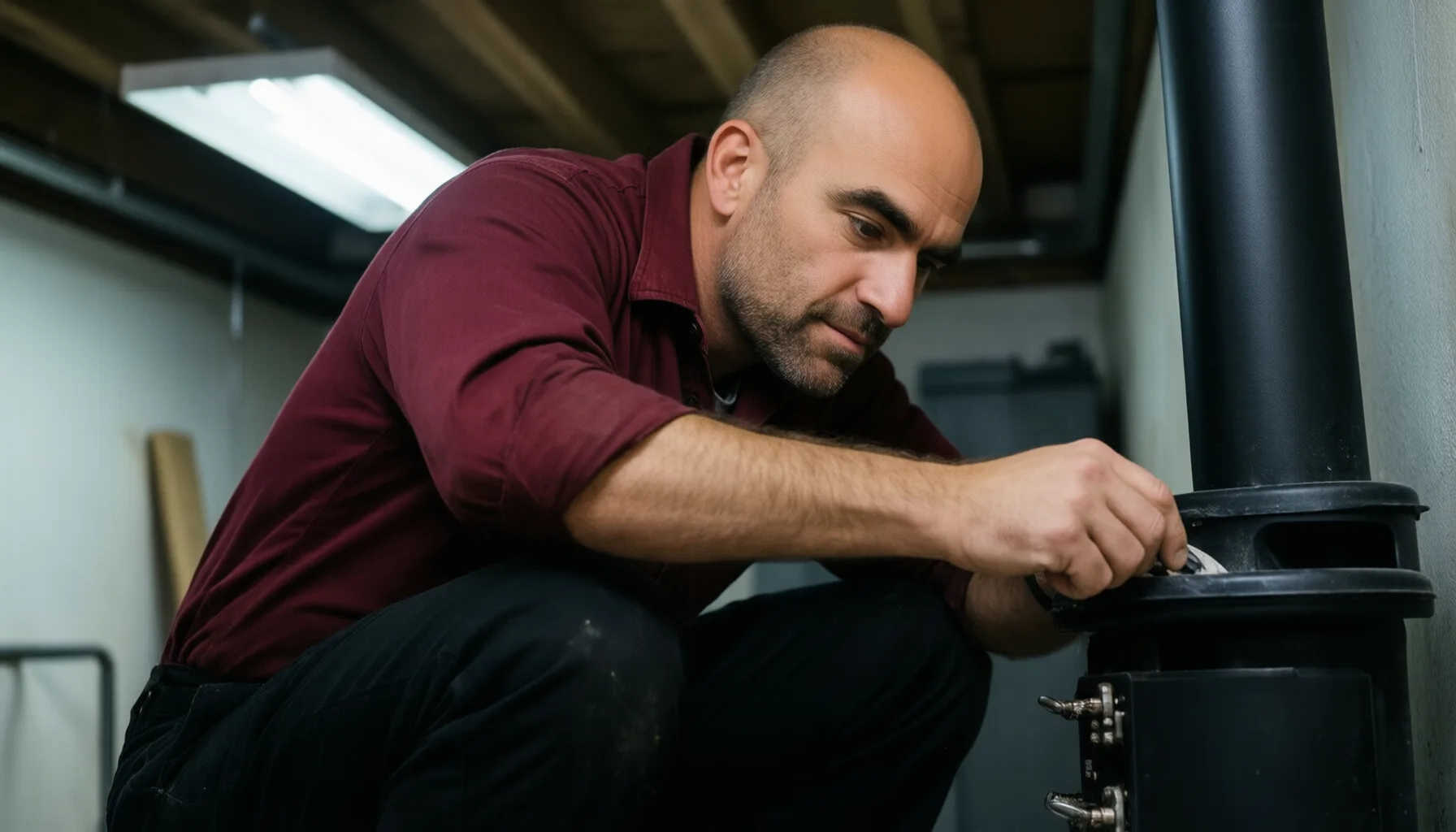
As the tropical warmth begins to envelop Miami this spring, many homeowners find themselves faced with the realization that their air conditioning system could use a bit of TLC. The sun-drenched days bring about an essential task: ensuring your AC unit operates efficiently to combat the sweltering heat and humidity. With the unique climate challenges posed by salt air and storms, a well-maintained air conditioning system is crucial for your comfort and investment in home health.
Why This Matters for Miami Homeowners
In Miami's humid tropical climate, it’s not just the heat you need to fear; the salt-laden air can wreak havoc on your air conditioning system. Corrosion is a real threat, with metal components vulnerable to rusting, leading to costly repairs. Moreover, homes in Miami often face unique structural challenges, such as elevated foundations that can complicate AC maintenance.
The heavy rains associated with tropical storms can also disrupt HVAC systems, causing breakdowns that require immediate attention. A malfunctioning air conditioner can not only be uncomfortable but can lead to higher energy bills and deteriorated indoor air quality. Regular spring maintenance can help safeguard against these issues.
Furthermore, the possibility of mold growth due to high humidity in malfunctioning AC units can pose health risks to your family, making maintenance even more critical. Don't overlook the importance of a well-functioning air system in protecting your home.
Expert Solutions & Actionable Tips
1. Check and Replace Air Filters
Start your spring maintenance by inspecting your air filters. Dirty filters can decrease your system's efficiency and lead to higher energy costs. It's advisable to replace standard filters every 1-3 months, especially in Miami's environment, where dust and salt can accumulate quickly. Filter costs range from $15 to $45, depending on the type and quality.
Consider investing in high-efficiency filters to enhance air quality further. A clean filter can save you 5-15% on your energy bill.
2. Inspect the Condenser Unit
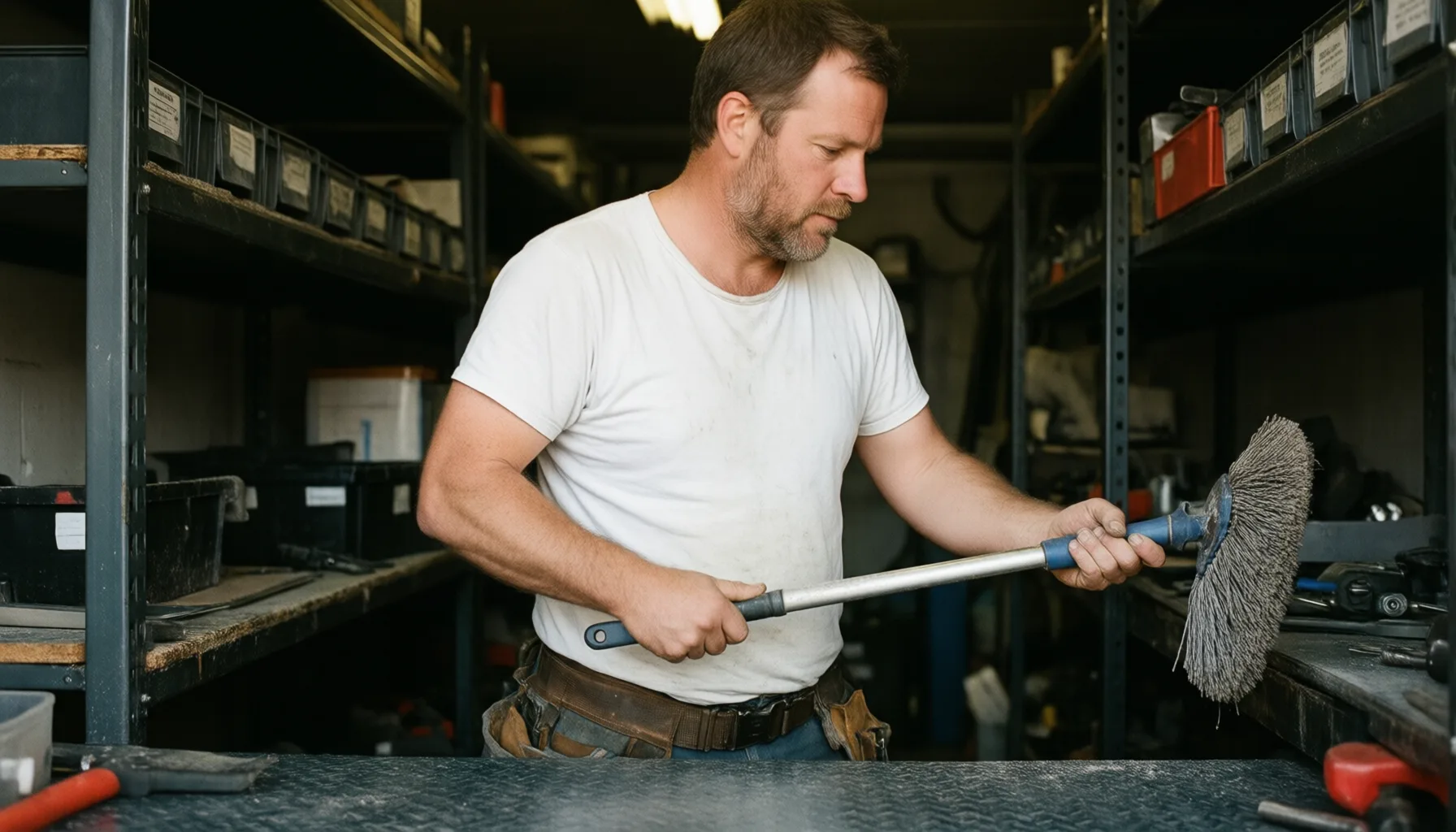
For Miami homeowners, maintaining the outdoor condenser unit is essential due to salt air exposure. Clear debris such as leaves, dirt, and sand from around the unit to ensure optimal performance. Set a regular schedule to check the area weekly, especially after storms.
If you notice signs of corrosion on the condenser, addressing it early, whether through protective coatings or replacement, is vital to avoid complete unit failure.
3. Seal Ducts and Insulation
Leaky ducts can lead to significant energy waste and decreased indoor comfort. Inspect your ductwork for any visible gaps and use duct tape or mastic sealant to fix them. Depending on the extent of the issues, sealing ducts can cost between $300 and $500, but it can lead to greater efficiency.
Additionally, ensure that your insulation is intact, especially in areas prone to moisture, as this will prevent further cooling loss.
4. Clean the Drain Line
Clogs in the condensate drain line can bring about water damage and indoor flooding—issues you definitely want to avoid. Use a wet/dry vacuum to remove blockages. Regularly cleaning the drain line can save you time and money on repairs down the line.
This simple task can be done quarterly, ensuring your system flows efficiently during the hot months.
5. Schedule a Professional Tune-Up
While DIY tasks are essential, having a professional technician tune up your system is vital for overall longevity. A licensed HVAC professional will check all major components and can identify issues you may have overlooked. Costs for a comprehensive tune-up typically range from $75 to $150.
Scheduling this annual check-up not only ensures your system runs smoothly but can also catch potential hazards before they escalate.
6. Monitor System Performance
This spring, keep an eye on how your air conditioning system performs. If you notice unusual noises, inefficient cooling, or increased utility bills, it may be time for an in-depth evaluation. Documenting these changes helps you identify when a professional diagnosis is necessary.
Effective monitoring can help you anticipate larger problems, potentially saving you substantial repair costs later on.
Miami Climate & Local Context
Miami's unique climate presents distinct challenges for air conditioning systems. The combination of high humidity levels and salt air can lead to accelerated wear and tear on units that may not be as significant in drier climates. Coastal properties often benefit from elevated homes, which can mitigate flooding risks but could introduce complications in ductwork and system placement.
Additionally, building codes in Miami may require specific permits for significant HVAC modifications or installations. It’s essential to ensure your system complies with these regulations to avoid potential fines or safety issues.
If you’re unfamiliar with local codes or regulations, consulting with a local expert can provide clarity and ensure that your maintenance adheres to Miami’s specific requirements.
When to Call a Professional
While homeowners can handle many aspects of spring maintenance, knowing when to call in a professional is crucial. DIY tasks like changing filters and cleaning the condenser are manageable, but several scenarios warrant professional intervention.
- Unusual noises from the AC unit.
- Consistent warm air blowing from the registers.
- Water pooling around the unit.
- Increased humidity indoors despite the AC running.
- Foul odors emanating from the vents.
- Frequent cycling on and off.
- Injuries or damage from electrical components.
- Pest infestations in the unit.
Taking prompt action prevents minor issues from evolving into costly repairs and ensures your home remains comfortable throughout Miami's warmest months.
Frequently Asked Questions
What should I do if my AC unit isn't cooling properly?
If your AC isn't cooling efficiently, start by checking the thermostat settings and air filters. If the problem persists, contact ColdHvac Air Conditioner Repair Miami for expert diagnosis.
How often should I have my air conditioner serviced?
It's best to have your air conditioning system serviced at least once a year, ideally every spring, to ensure optimal performance throughout the humid months.
Can I perform maintenance tasks myself?
Yes, basic maintenance tasks such as changing filters and cleaning the outdoor unit can be handled by homeowners. However, complex repairs should be left to professionals.
What are the signs I need to replace my AC unit?
Signs include frequent breakdowns, increasing energy bills, and uneven cooling across your home. If your unit is older and these issues arise, it may be time to consider a replacement.
How does the coastal environment affect my AC unit?
The salty air can accelerate corrosion of metal parts and increase the likelihood of repairs. Regular maintenance is crucial for longevity in Miami's coastal conditions.
Get Expert Air Conditioning Repair Service in Miami
As spring progresses, now is the perfect time to ensure your air conditioning system is ready to handle Miami’s heat. For a thorough check-up and maintenance, call (305) 614-2527 to reach ColdHvac Air Conditioner Repair Miami. Our experts are ready to assist you in keeping your home cool and comfortable this season.
Don’t wait for the heat to hit; proactive maintenance is the key to a reliable cooling system. Call today!